179 Prom. du Portage, 4th floor, Gatineau, QC J8X 4B7, Canada


19 Nov
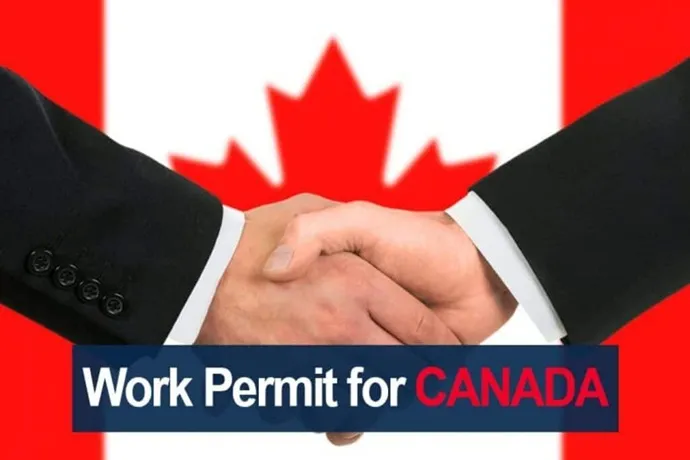
Canada is one of the world’s most attractive destinations for skilled workers, offering stable employment, competitive salaries, and a high standard of living. With talent shortages across many industries, Canadian employers continue to hire qualified foreign workers every year. But to legally work in Canada, you need a valid Canada Work Permit—a document that authorizes you to be employed by a Canadian employer.
In this guide, Charterlane Immigration explains how work permits work, the types available, eligibility requirements, and why professional guidance ensures a smoother and faster process.
A Canada Work Permit is an official authorization issued by Immigration, Refugees and Citizenship Canada (IRCC) that allows foreign nationals to work legally in Canada. It may be tied to a specific employer, job role, and duration, depending on the type of permit issued.
Work permits are essential for individuals who wish to gain Canadian work experience, apply for Canadian permanent residency, or settle in the country long-term.
Canada offers two major categories of work permits:
This permit allows you to work only for the employer who offered you the job.
Key features:
Closed work permits are the most common pathway for foreign workers entering Canada.
An open work permit allows you to work for any employer in Canada, except those on the ineligible list.
Common open work permit categories:
These permits provide greater flexibility and are not tied to a specific employer.
Many employer-specific permits require a Labour Market Impact Assessment (LMIA).
This is a document that proves:
LMIA applications can be complex, and proper documentation is essential—this is where Charterlane Immigration provides expert employer and employee support.
To apply for a work permit, you typically must:
Professional assistance helps ensure your file is complete, compliant, and strong.
Working in Canada offers several major advantages:
Canada has labour shortages in construction, healthcare, IT, logistics, hospitality, engineering, and more.
Canadian work experience improves your chances under:
Canada is known for strong labour rights, safe workplaces, and fair wages.
In some cases, spouses and dependent children may also accompany the main applicant.
Work permit applications can be overwhelming, especially when LMIA processes, employer compliance, and IRCC documentation are involved. Charterlane Immigration, managed by licensed RCIC professionals, ensures:
Your application is handled professionally from start to finish.
Canada work permits open the door to thousands of global workers every year. Whether you're skilled, semi-skilled, or looking for new opportunities, understanding the legal process is essential. With the support of Charterlane Immigration, applicants can navigate their work permit journey with confidence and clarity