179 Prom. du Portage, 4th floor, Gatineau, QC J8X 4B7, Canada



21 Jan
Many individuals planning to immigrate to Canada begin their journey with optimism, only to encounter confusion, conflicting information, and unexpected delays. Canadian immigration pathways are governed by detailed regulations, frequent updates, and strict documentation requirements. Without proper guidance, applicants often struggle to understand eligibility rules, application steps, and compliance obligations.
This article explores some of the most common issues applicants face during the Canadian immigration process and explains how structured, regulated guidance can help reduce risk and uncertainty.
One of the earliest challenges applicants face is determining whether they are eligible for a specific immigration program. Online information can be fragmented, outdated, or oversimplified. As a result, applicants may rely on assumptions rather than verified criteria.
Misunderstanding eligibility can lead to wasted time, incorrect applications, or unrealistic expectations. Many applicants discover issues only after submission, when corrections are no longer possible.
How Structured Guidance Helps
A compliance-focused approach begins with a clear eligibility assessment based on current immigration regulations. At Charterlane Immigration, eligibility is reviewed carefully under licensed RCIC oversight, helping applicants understand where they stand before moving forward.
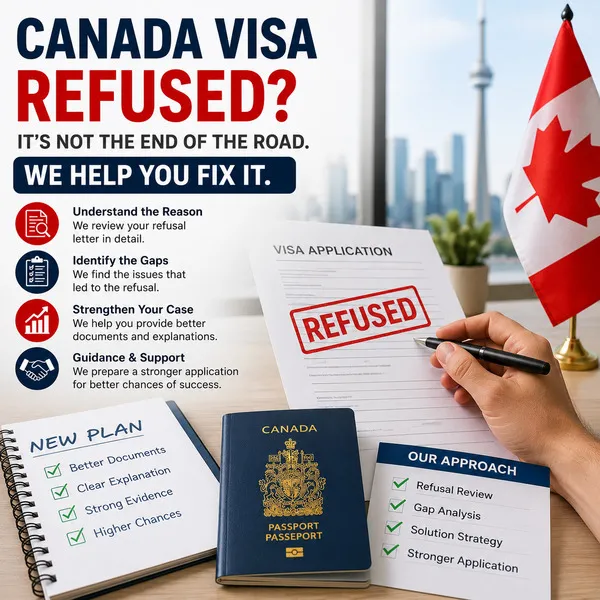
Canadian immigration applications require precise documentation. Missing forms, incorrect details, or outdated templates can result in processing delays or refusals. Applicants unfamiliar with procedural requirements often underestimate the importance of accuracy and consistency.
Even small errors can have significant consequences, especially when timelines are strict.
How Structured Guidance Helps
A methodical review process helps ensure that documentation is complete and aligned with official requirements. Charterlane Immigration follows a structured, detail-oriented process that emphasizes accuracy, verification, and lawful submission under regulated representation.
Another major concern for applicants is misinformation from unregulated sources. Some individuals encounter services that promise guaranteed approvals or faster processing, which is not possible under Canadian immigration law.
Such claims can mislead applicants and expose them to financial and legal risks.
How Regulated Representation Helps
In Canada, only licensed professionals are permitted to provide paid immigration advice. Charterlane Immigration operates under authorized RCIC representation, ensuring that guidance is based on official policies rather than speculation or shortcuts.
Immigration applications handled through Charterlane Immigration are prepared under licensed oversight. Applicants can independently verify the consultant’s credentials through official Canadian regulatory records:
Clear disclosure of licensing information allows applicants to confirm authorization, accountability, and professional standing.
Many applicants feel uncertain when they do not understand what stage their application is in or what is required next. Poor communication can increase stress and lead to missed deadlines or incomplete submissions.
Applicants often seek guidance that explains the process clearly and keeps them informed throughout.
How Transparency Reduces Uncertainty
Clear communication helps applicants understand timelines, responsibilities, and procedural steps. Charterlane Immigration emphasizes transparent explanations, helping applicants remain informed and prepared at each stage of the process.
Ethical issues arise when advice is not aligned with current laws or when limitations are not disclosed clearly. Applicants may be encouraged to pursue options that do not fit their profile, increasing the risk of refusal.
How Ethical Practice Supports Better Planning
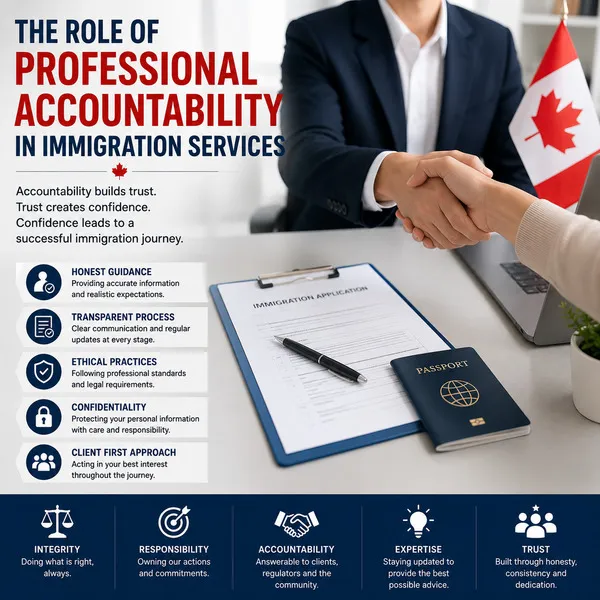
Licensed consultants are required to follow professional codes that prioritize honesty, confidentiality, and legal compliance. Ethical guidance helps applicants plan realistically and make informed decisions based on verified information.
Canadian immigration outcomes depend on eligibility, accuracy, and adherence to regulations. While no consultant can influence decision-making by immigration authorities, structured and lawful guidance can help applicants avoid preventable errors and misunderstandings.
Charterlane Immigration operates within this regulated framework, focusing on clarity, documentation accuracy, and professional accountability under RCIC supervision.
Immigrating to Canada can feel overwhelming when applicants face unclear information, documentation challenges, or unregulated advice. Understanding these common issues—and knowing how to address them—can make the process more manageable.
By working with regulated, transparent, and ethically guided immigration support, applicants are better positioned to navigate the process with confidence. Charterlane Immigration addresses these challenges through structured procedures, licensed oversight, and compliance-focused guidance designed to support informed decision-making throughout the immigration journey.